Modern and highly automated.
TYN-e vehicles are built in a modern production facility with a largely automated press line, robotic body welding, a water-based paint shop and a dedicated test track.
 AI-generated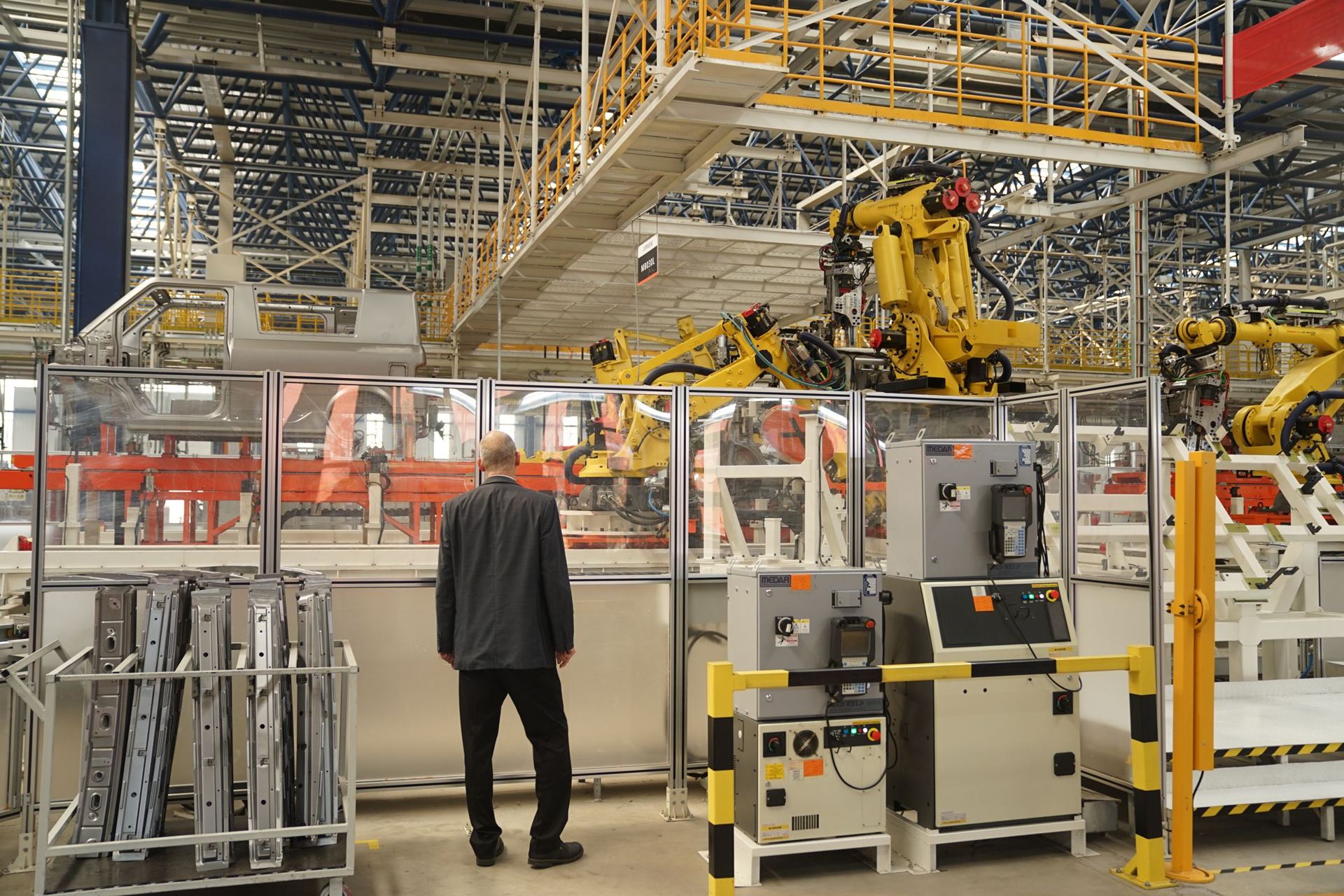
Vehicle information, prices and dealers are available on your country website.
Germany Spain Netherlands Global presence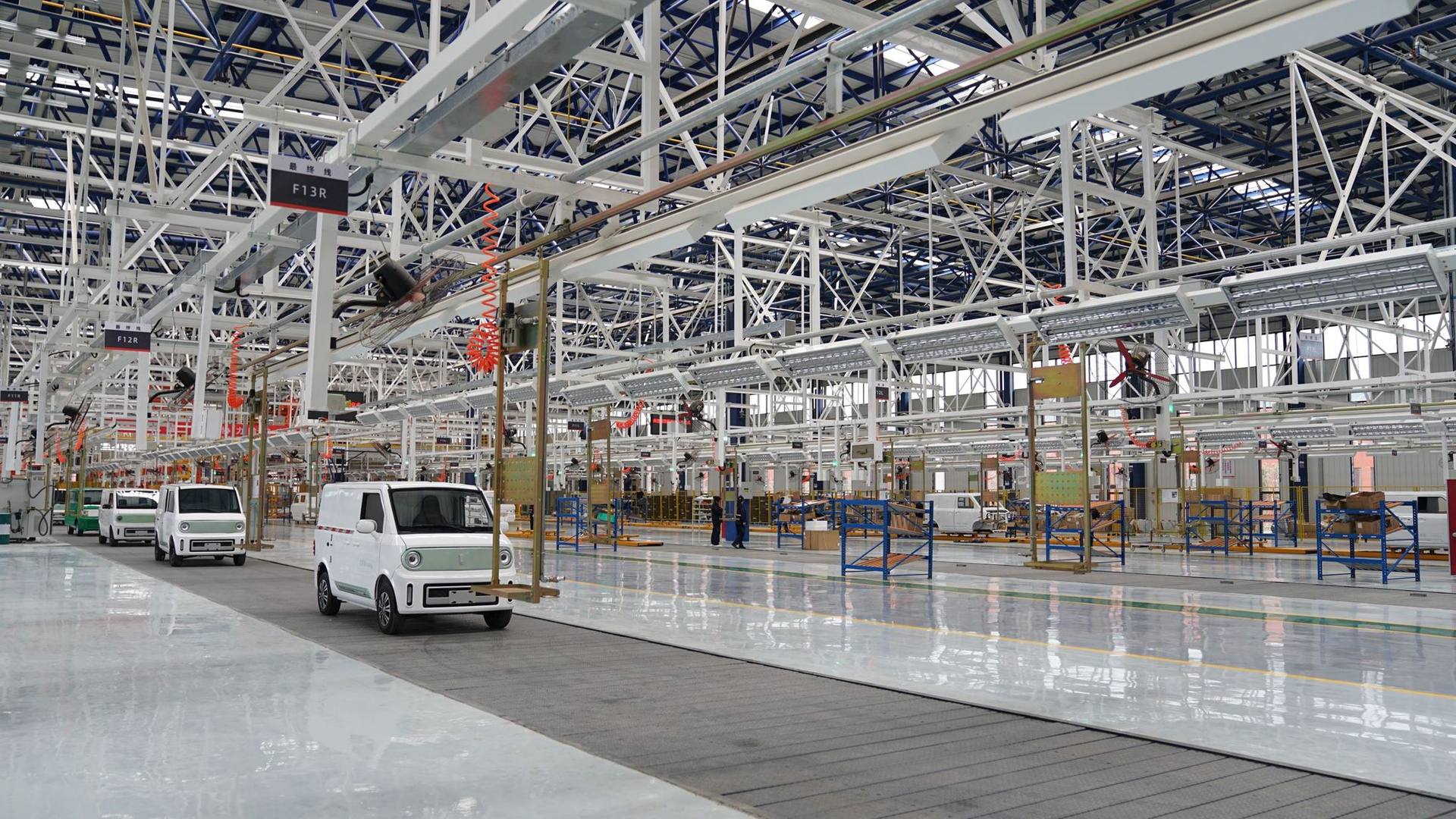
From stamping to final assembly: how TYN-e vehicles are made.
Production facility
TYN-e vehicles are built in a modern production facility with a largely automated press line, robotic body welding, a water-based paint shop and a dedicated test track.
A centrally organised spare-parts supply keeps vehicles in Europe ready for work.
Details on the supply network and production capacity will be provided by TYN-e.
Manufacturing process
 01
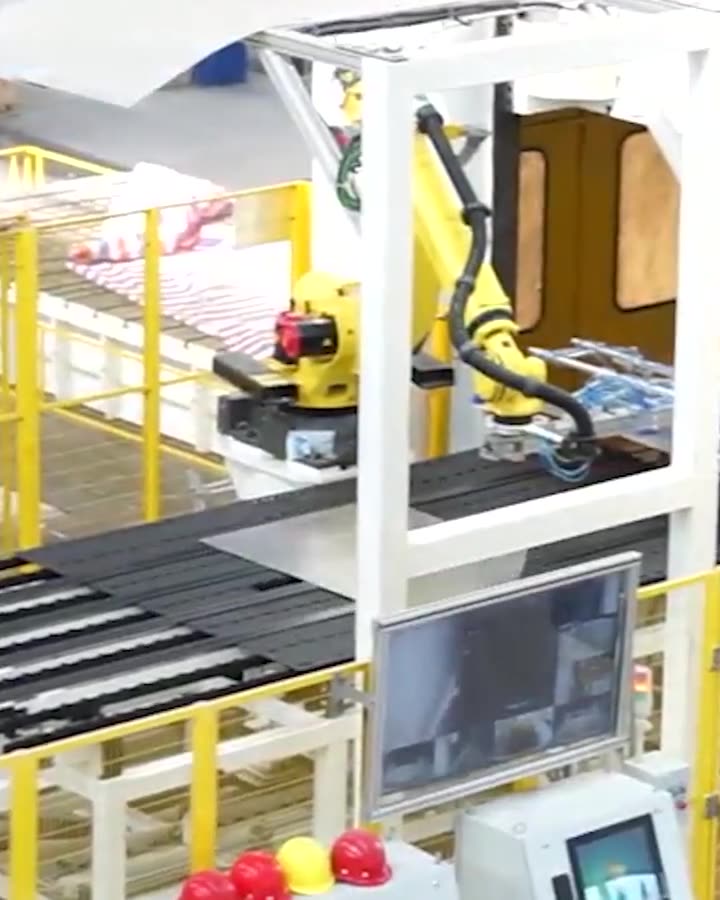
01A largely automated press line with FANUC robotics produces the 15 most important sheet-metal parts—outer skin, body panels, door frames and roof—each in just four operations.
 02
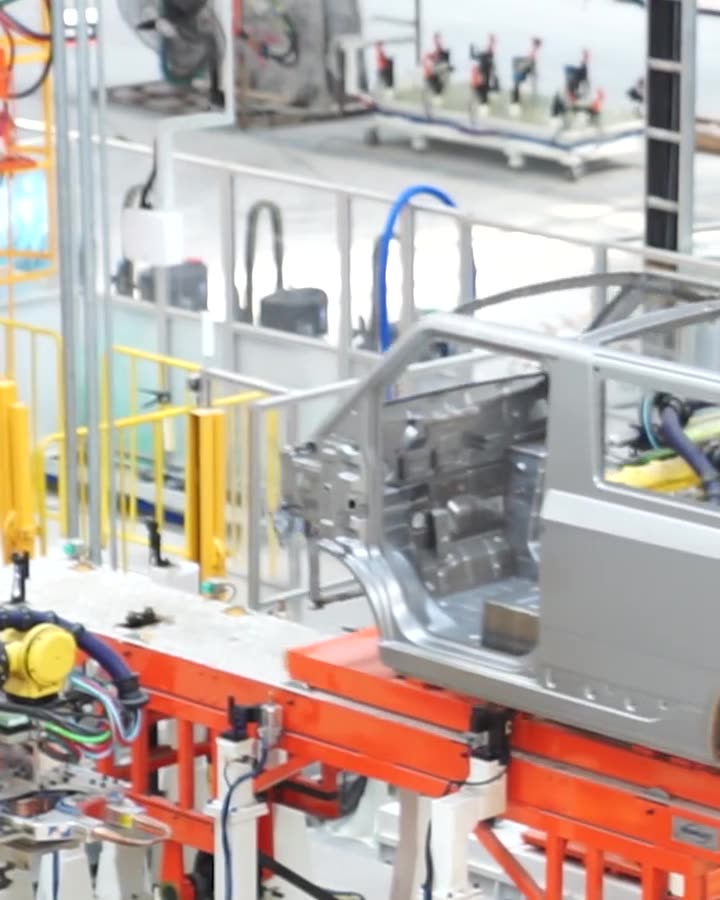
02Frames and bodies are joined by robots on a flexible line that builds vehicles from 3.5 to 4.8 metres in length.
 03
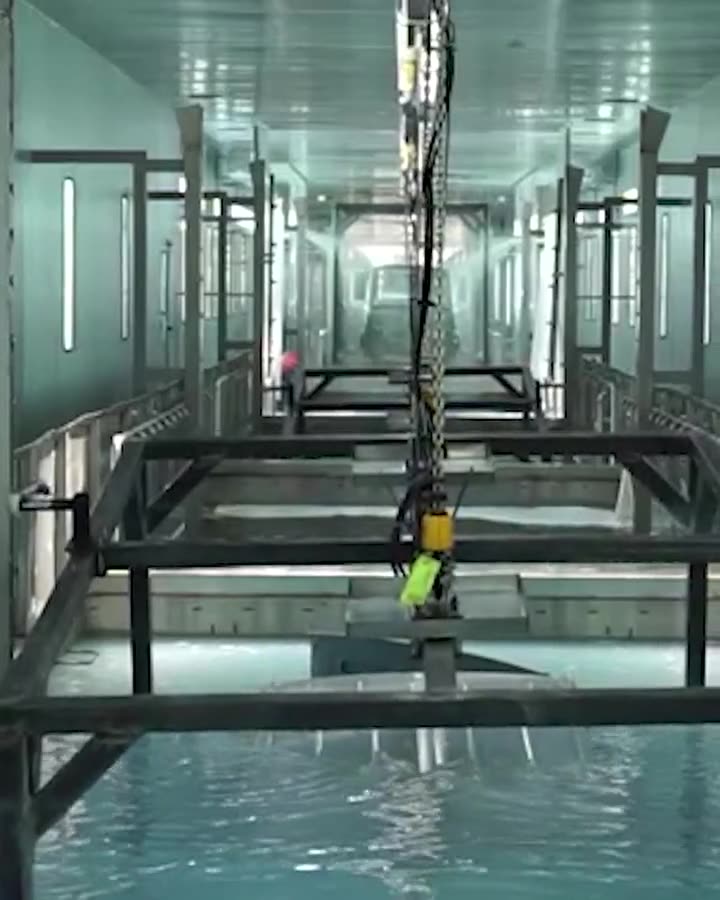
03Silane pre-treatment, electrophoretic dip coating and a water-based top coat applied by eight robots. Thermal exhaust-gas cleaning reduces emissions.
 04
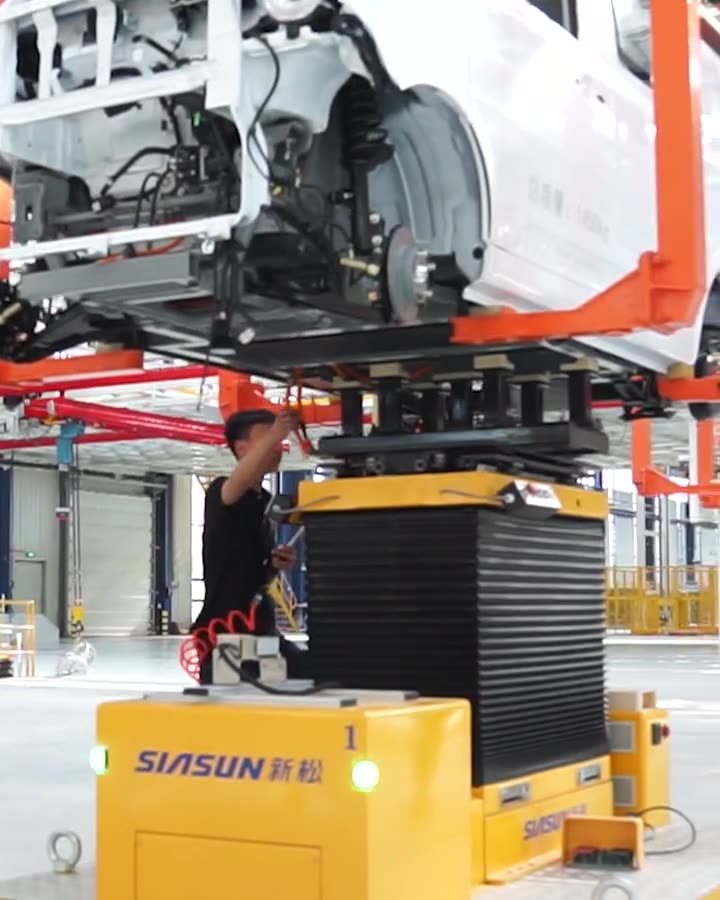
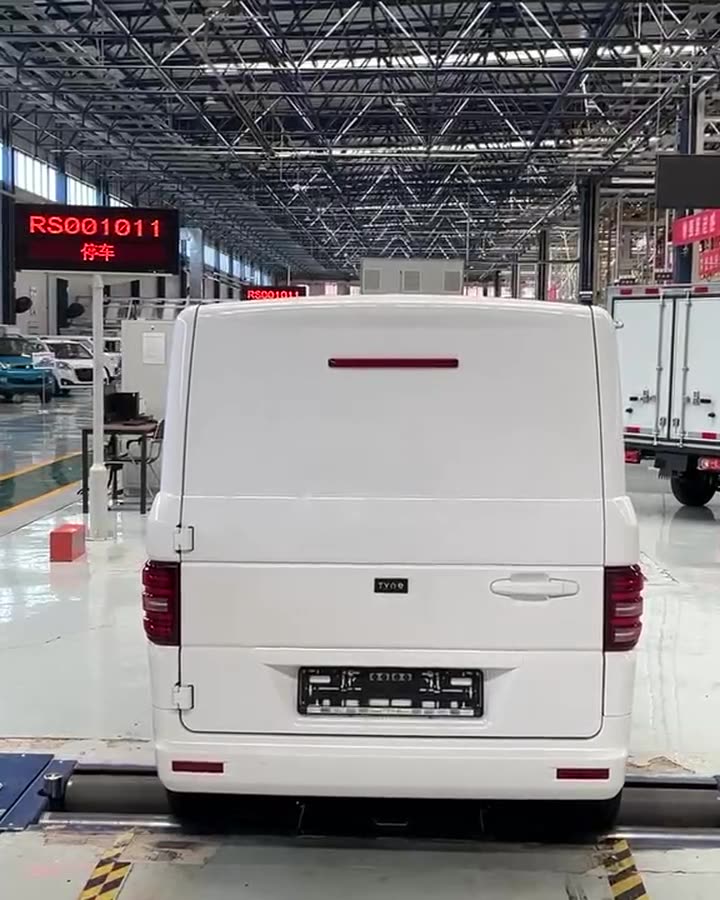
04Interior, chassis, battery and high-voltage systems come together—followed by end-of-line checks, wheel alignment, brake and lighting tests.
 05
05High-speed, uneven and cobblestone tracks, gradients and a wading course verify every vehicle before it leaves the plant.
Technology